Many Florida homeowners experience the same frustrating problem.
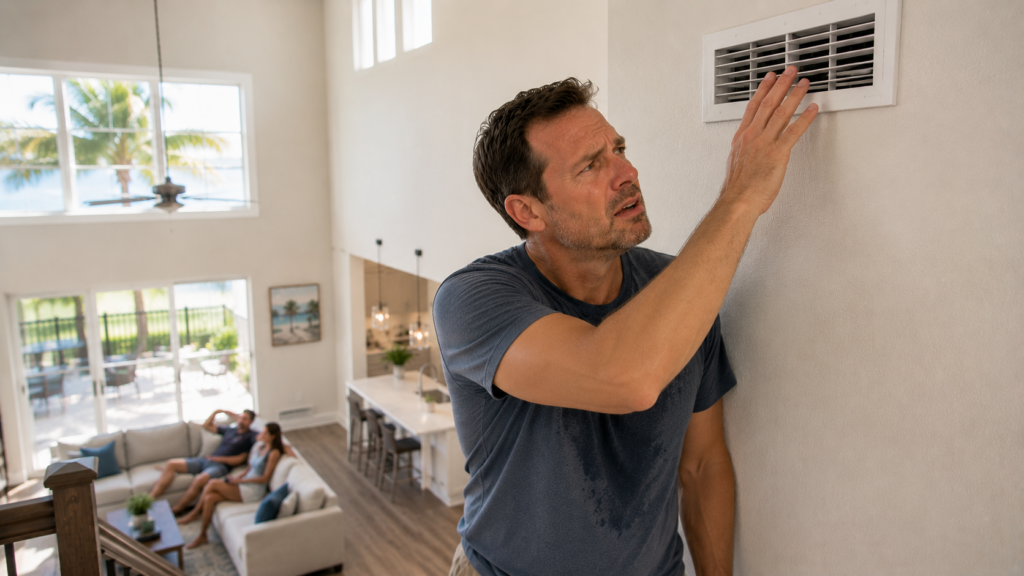
The downstairs feels comfortable, but the upstairs remains noticeably warmer throughout the day.
If you’ve found yourself constantly adjusting the thermostat or avoiding certain rooms during the summer, you’re not alone.
For homeowners throughout Hudson, Trinity, New Port Richey, Spring Hill, Land O’ Lakes, Odessa, Wesley Chapel, and surrounding Tampa Bay communities, uneven temperatures are one of the most common HVAC complaints.
Fortunately, there are several possible causes and solutions.
Heat Naturally Rises
The simplest reason upstairs rooms often feel warmer is because heat rises.
As warm air naturally moves upward, second floors typically collect more heat than lower levels.
Florida’s climate makes this even more noticeable because air conditioning systems are often working continuously to overcome outdoor temperatures and indoor heat gain.
While some temperature difference is normal, significant comfort issues often indicate additional HVAC concerns.
Attic Heat Can Impact Upstairs Comfort
Many Florida homes experience extreme attic temperatures during summer.
Attics can easily exceed 110 degrees or more during the hottest parts of the day.
This heat radiates downward into living spaces and can overwhelm upstairs rooms.
Common contributing factors include:
- Poor attic insulation
- Inadequate attic ventilation
- Air leaks between the attic and living space
- Older insulation materials
Reducing attic heat gain often improves comfort and reduces cooling costs.
Airflow Problems Can Leave Rooms Underserved
Your HVAC system depends on proper airflow to deliver conditioned air throughout the home.
If airflow is restricted, upstairs rooms may not receive enough cooling.
Common airflow issues include:
- Dirty air filters
- Closed supply vents
- Damaged ductwork
- Poorly balanced systems
- Blocked return air pathways
Even small airflow problems can create noticeable temperature differences between floors.
Ductwork Design Matters More Than Many Homeowners Realize
Many homes were built with duct systems that were never properly balanced.
As a result, some rooms receive more airflow than others.
Signs of duct related issues include:
- One floor consistently warmer than another
- Certain rooms never reaching the desired temperature
- Weak airflow from specific vents
- Excessive system runtime
Professional evaluation can often identify airflow imbalances that homeowners may not notice.
Your HVAC System May Be Undersized
If your air conditioning system is too small for the home, it may struggle to keep up during Florida summers.
An undersized system often results in:
- Long runtimes
- Inconsistent temperatures
- Higher energy bills
- Reduced comfort
Proper system sizing is critical for maintaining even temperatures throughout the home.
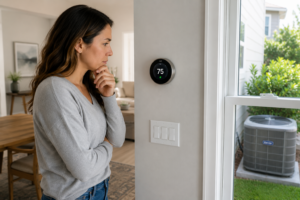
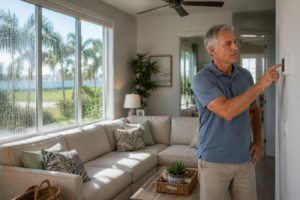
Thermostat Location Can Affect Performance
The thermostat only measures the temperature where it is installed.
If the thermostat is located downstairs, it may satisfy the cooling demand before the upstairs has reached a comfortable temperature.
This can leave second floor rooms feeling warm even though the system appears to be operating normally.
Smart thermostats and zoning solutions can sometimes help address this issue.
Aging HVAC Systems Often Struggle With Comfort
As HVAC systems age, airflow and cooling performance may decline.
Older systems often have difficulty maintaining consistent temperatures throughout larger homes.
Homeowners frequently notice:
- Hot upstairs rooms
- Excess humidity
- Longer cooling cycles
- Increased utility costs
If your system is older and comfort problems continue to worsen, it may be worth evaluating whether upgrades or replacement options make sense.
When To Have Your HVAC System Evaluated
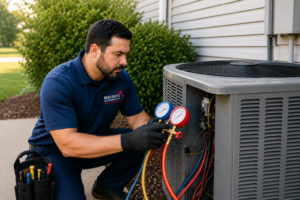
If your upstairs remains uncomfortable despite changing filters and adjusting thermostat settings, a professional evaluation may help identify the root cause.
Potential solutions may include:
- Airflow adjustments
- Duct modifications
- Insulation improvements
- Thermostat upgrades
- HVAC repairs
- System replacement
Addressing the issue early can improve comfort while reducing unnecessary strain on your equipment.
Frequently Asked Questions
Why is my upstairs hotter than downstairs?
Heat naturally rises, but airflow problems, attic heat, insulation issues, ductwork concerns, and HVAC system limitations can make the difference much more noticeable.
Can dirty air filters cause hot upstairs rooms?
Yes. Restricted airflow can reduce the amount of conditioned air reaching upper levels of the home.
Does attic insulation affect upstairs temperatures?
Absolutely. Poor insulation allows heat to transfer more easily into living spaces, making upstairs rooms harder to cool.
Can a thermostat cause uneven temperatures?
Yes. Thermostat placement can influence when the system cycles on and off, especially in two story homes.
When should I call an HVAC professional?
If comfort issues persist despite basic maintenance and thermostat adjustments, a professional inspection can help identify underlying problems.
Need HVAC Help?
If your upstairs rooms never seem to cool properly, Mauro’s Air Conditioning & Heating can help identify the cause and recommend practical solutions.
Our team serves homeowners throughout Hudson, Trinity, New Port Richey, Spring Hill, Land O’ Lakes, Odessa, Wesley Chapel, Brooksville, and surrounding Tampa Bay communities.
Schedule Service or Request an Estimate today.